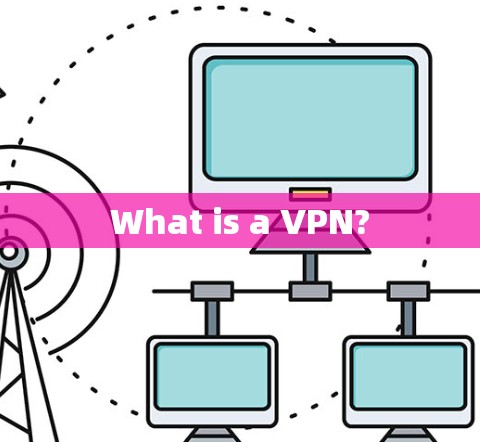
Using a VPN involves selecting a secure software application to connect to the internet without being tracked. Here's a structured overview of the key considerations and options: A VPN stands for Virtual Private Network, providing encryption to protect your online activities. It allows you to access the internet securely, keeping your data private.
Types of VPNs
- Symmetric VPNs: Simple with a single encryption key, suitable for basic needs.
- Asymmetric VPNs: Use public keys for encryption and private keys for decryption, offering stronger security.
Features of Useful VPNs
- Free Trial Period: Available for convenience.
- Restrictional Access: Many offer features to avoid tracking sites.
- Cost Considerations: Some are free, others require subscriptions.
- User Interface: Some are designed for ease of use.
- Legal Compliance: Ensure compliance with local laws.
Practical Aspects
- Technical Considerations: Many are software-based, accessible on various devices.
- Security: Based on public keys for robust security.
- Usage Frequency: Can be used for both casual browsing and serious access.
Technical Comparisons
- Types: Web-based or software-based.
- Security: Advanced encryption vs. basic security.
Conclusion
Choose a VPN based on your needs—whether it's free, advanced, or combination features. Consider cost, security, and user experience to make an informed decision.