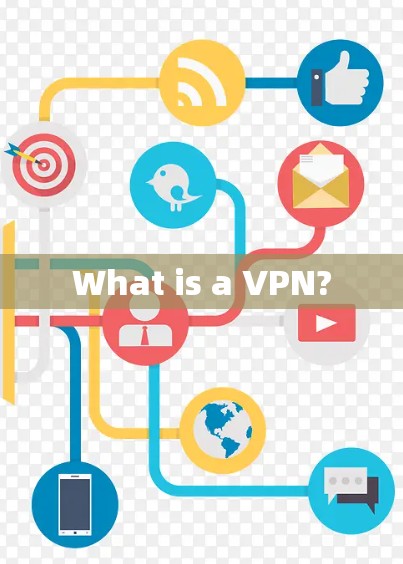
A VPN, or Virtual Private Network, is a technology that secures internet connections over the internet. It allows you to access websites, streams, and other online services from anywhere, ensuring that the content you're viewing is encrypted and secure. Here's a brief overview:
- Definition: A VPN is software or a service that encrypts and secures internet traffic. It allows you to connect to a private network that is physically separate from your internet connection, making it appear as if you're connecting to a remote server.
- Types of VPNs:
- Client-based VPNs: These are software that you install on your computer and connect to a remote server via a VPN server.
- Server-based VPNs: These are services that you connect to directly over the internet, often with a tunneling service like OpenVPN or TunnEL.
Benefits of Using a VPN:
- Secure Connections: VPNs encrypt your internet traffic, making it harder for your data to be intercepted or accessed by malicious actors.
- Privacy: You can access websites from any location, avoiding the need to log in to your own account.
- Data Protection: Ensures that your online activity is encrypted, making it harder for your financial or personal information to be intercepted.
- Speed: Sometimes, VPNs can make your internet faster by redirecting traffic to a faster server or using better algorithms.
How VPNs Work:
- VPNs use encryption (like AES-256, RSA, or others) to protect your internet connection.
- They can also use a tunneling service like OpenVPN, which uses a private internet connection to create a secure tunnel between your device and the remote server.
Choosing a VPN:
- Service Provider VPNs: Some companies offer on-demand access with free trials, while others provide monthly or annual subscriptions.
- Server-Based VPNs: These are often more expensive but offer more flexibility in terms of server location and speed.
- Client-Based VPNs: These are often easier to use, especially for personal use, but require installing software on your computer.
When to Use a VPN:
- High Security Needs: If you need to protect your data and privacy.
- Accessing Content from Outside Your Network: If you want to watch a movie from a friend's house or a live stream from a conference.
- Avoiding Tracking Sites: If you don't want to be tracked by websites or to avoid suspicious websites.
Example:
If you want to watch a live stream from a friend's house, you could use a VPN to connect to the stream over the internet, ensuring that your internet connection is secure and that you're accessing the live stream from a remote server.
Conclusion:
VPNs are a great way to access secure and private internet connections, making them invaluable for both personal and professional use.